7 Hrs
المصدر:
عربية – DW
عربية – DW
جاهز للتشغيل
جاهز للتشغيل
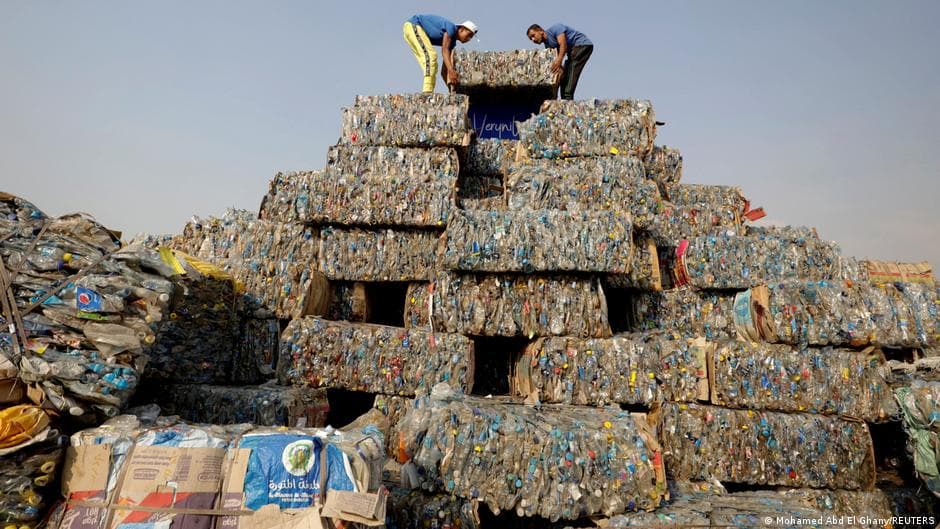
The Zabalin neighborhood in Cairo is known as one of the largest informal recycling systems in the world, where waste pickers depend on sorting and recycling waste from over 20 million people in the Egyptian capital. These workers, most of whom live in harsh conditions and have been working since childhood, collect and sort materials such as plastic, paper, glass, and metals, selling them to recycling traders and factories. The recycled plastic trade has seen a revival in recent months due to increased demand and prices linked to regional tensions, leading to higher profits for some workers, with the price of a kilogram of plastic rising from two to five Egyptian pounds. Despite some earning more, most families in the neighborhood still live in difficult economic circumstances, with limited opportunities for education and work outside the area. These waste pickers are vital in keeping Cairo clean, as they are an essential part of the city’s waste management cycle.
تنويه: هذا ملخص تم إنشاؤه بواسطة الذكاء الاصطناعي





comments.heading