1 Day
المصدر:
تونزي تيليغراف
تونزي تيليغراف
جاهز للتشغيل
جاهز للتشغيل
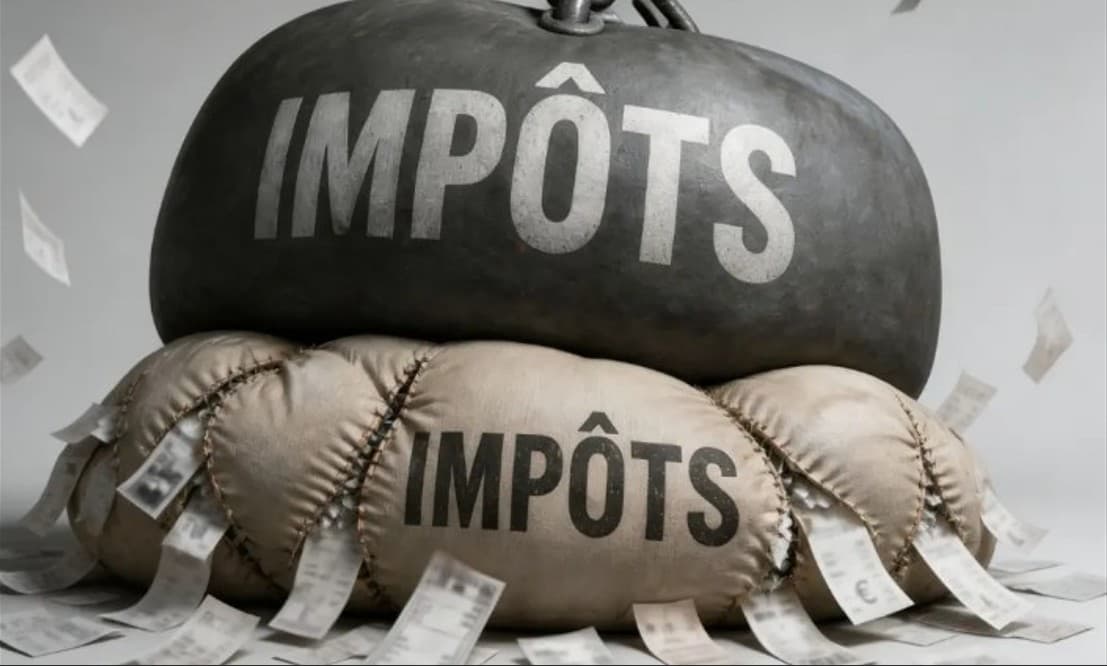
Hossam Saad from the "Alart" organization observed that the tax system in Tunisia imposes high fiscal burdens on an economy struggling with a weak productive base. Taxes amount to around 25% of the gross domestic product (GDP), rising to 35% when social contributions are included — a level comparable to the average of OECD countries. He pointed out that a significant portion of this burden falls on workers and private enterprises, while public institutions, some extractive activities, and freelance work are exempt from paying a similar share. This situation undermines tax justice and increases pressure on compliant taxpayers. Saad criticized the taxation primarily funding public spending and subsidies without substantially contributing to savings or investment financing, which limits the capacity to boost productivity and create new employment opportunities. He cited examples from Asian economies such as South Korea and Vietnam, calling for a reassessment of the tax system to match stages of economic growth, and to improve the quality of basic services in education, health, and infrastructure — sectors that suffer from deficiencies despite high tax burdens, which he described as a "financial hijacking," reflecting an imbalance in the distribution of burdens and services.
تنويه: هذا ملخص تم إنشاؤه بواسطة الذكاء الاصطناعي




comments.heading