11 Hrs
المصدر:
تونزي تيليغراف
تونزي تيليغراف
جاهز للتشغيل
جاهز للتشغيل
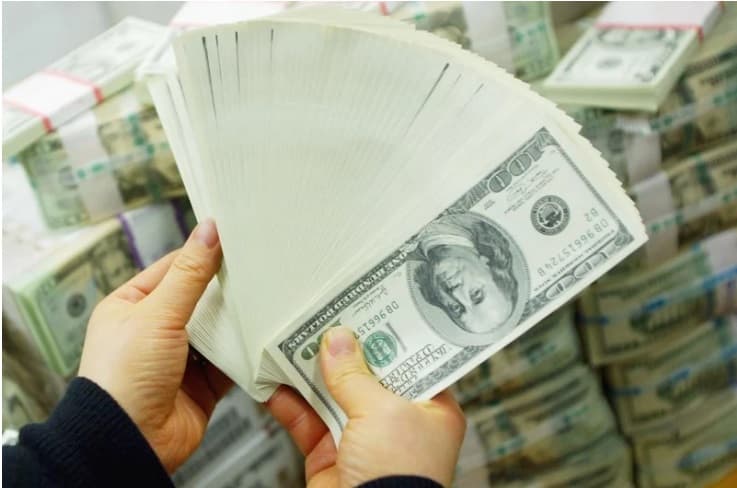
The exchange rate of the US dollar surpassed 3 Tunisian dinars on October 5, 2026. This reflects underlying structural pressures on the Tunisian economy, foremost among them being the ongoing trade deficit and the rising demand for foreign currency to finance essential imports such as energy, fuel, foodstuffs, and medicines. Economic expertise indicates that the dinar’s decline is linked to weak foreign exchange reserves, which are affected by tourism inflows, Tunisian remittances, as well as external debt repayments and the financing of critical imports. Additionally, the increase in US interest rates contributes to boosting the dollar’s attractiveness. Tunisia, on the other hand, relies on a flexible exchange rate policy that reacts to supply and demand, making the dinar more sensitive to market fluctuations. The expert emphasizes that the deterioration of the dinar’s value is the result of long-term accumulations related to economic imbalances, requiring reforms such as improving productivity, developing exports, and reducing dependency on imports to ensure the sustainability of foreign currency reserves and strengthen the national economy.
تنويه: هذا ملخص تم إنشاؤه بواسطة الذكاء الاصطناعي







comments.heading