18 Hrs
المصدر:
Lebanon Debate
Lebanon Debate
جاهز للتشغيل
جاهز للتشغيل
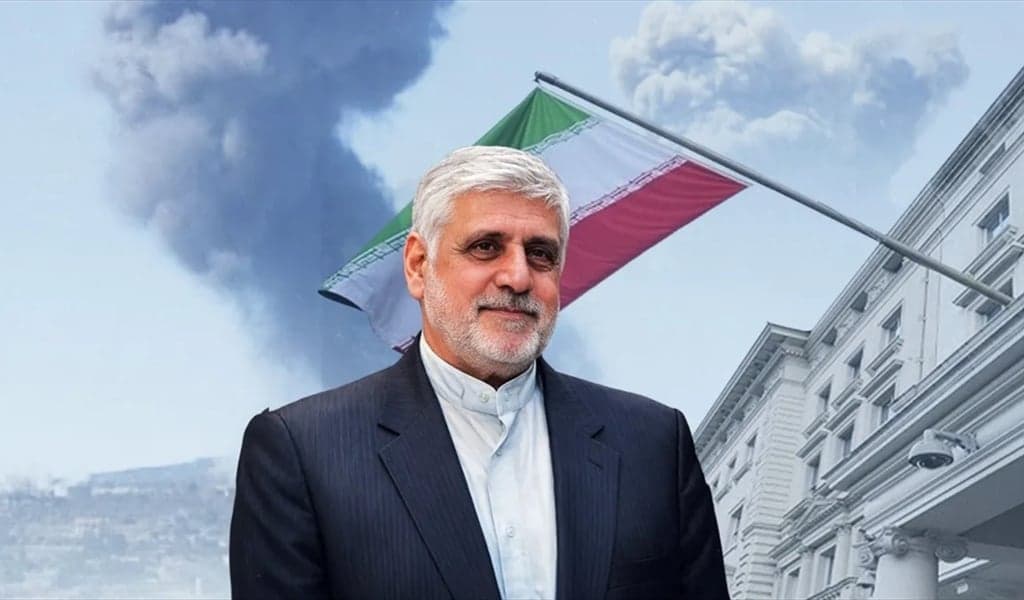
The article points out that the political and security situation in Lebanon is completely different from what it was in previous years. The dominant feature now is deadlock—not in a way that serves the axis of resistance as it once did, but rather, this deadlock consumes its resources and narrows its maneuvering space. Israel still maintains a presence in southern Lebanon, displacement continues, and reconstruction remains on hold pending the resolution of the weapons issue. Additionally, Hezbollah is no longer able to control Lebanon's decision as it once did, due to changing regional conditions, Iran's reduced influence, and a shift in the political and popular mood, which has become less supportive of resistance and the axis of resistance. The article concludes that a return to the Lebanon that was under the control of the axis of resistance is neither realistic politically nor regionally. The solution requires the state to make a decisive decision to shift from a status of waiting to building a fully sovereign state—one that controls its war and peace decisions, ends the duality of weapons, and moves away from exploiting arenas in favor of the national state, in order to guarantee Lebanon's sovereignty and stability.
تنويه: هذا ملخص تم إنشاؤه بواسطة الذكاء الاصطناعي







comments.heading