14 Hrs
المصدر:
اقتصاد سكاي نيوز عربية
اقتصاد سكاي نيوز عربية
جاهز للتشغيل
جاهز للتشغيل
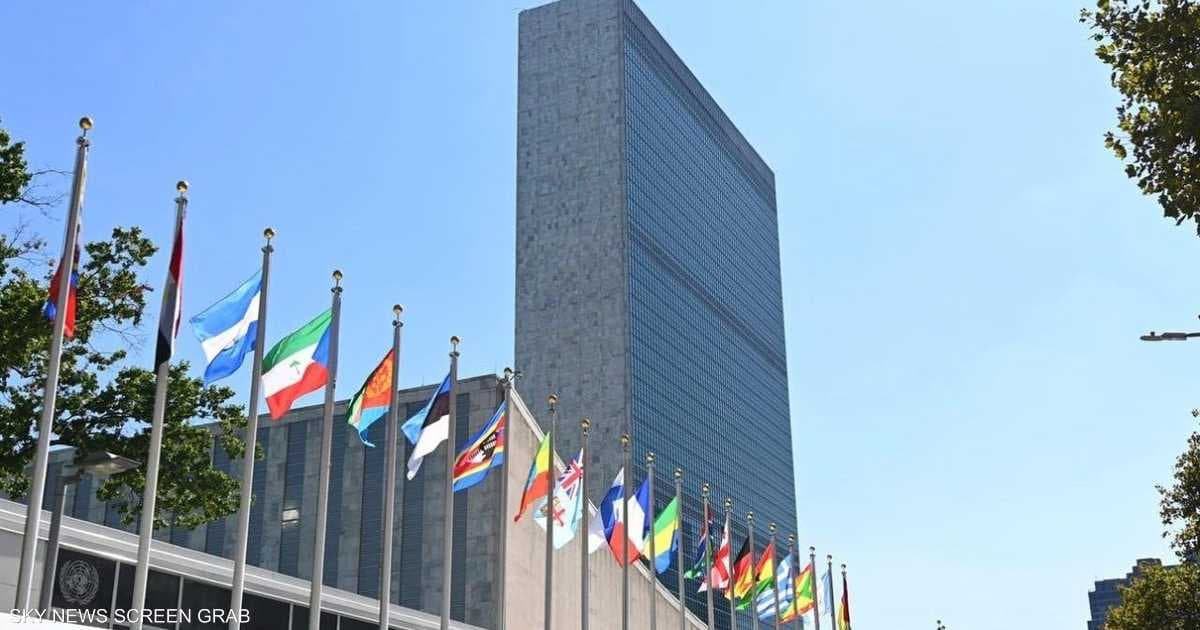
The United Nations Conference on Trade and Development (UNCTAD) expects global economic growth to slow to 2.6% in 2026, down from 2.9% in 2025, due to the fallout from the Middle East crisis, which has led to disruptions in energy, trade, and financial markets. The report indicates that rising energy prices, market volatility, and supply chain disruptions are increasing the challenges to global economic resilience, as gaps between different economies widen. Although trade in goods and services is expected to grow by 4%, reaching $35 trillion, much of this growth is attributed to higher energy prices, with warnings that this does not reflect a genuine expansion of economic activity. Direct trade between China and the United States has also declined by over 20% since 2024, while trade relations in East Asia with China and North America have expanded. The report confirms that Asia will account for 59% of global economic growth, with forecasts of 7.3% for India, 4.5% for China, and 5.2% for Indonesia. Meanwhile, the growth of developing economies as a whole is expected to slow from 4.7% in 2025 to 4% in 2026, amid persistent disparities in their ability to withstand economic shocks. The report further warns that reliance on AI product trade, such as semiconductors, could exacerbate inequality and pose risks to market stability due to the concentration of technology and investments in a limited number of companies and countries.
تنويه: هذا ملخص تم إنشاؤه بواسطة الذكاء الاصطناعي




comments.heading