19 Hrs
المصدر:
الاقتصادية
الاقتصادية
جاهز للتشغيل
جاهز للتشغيل
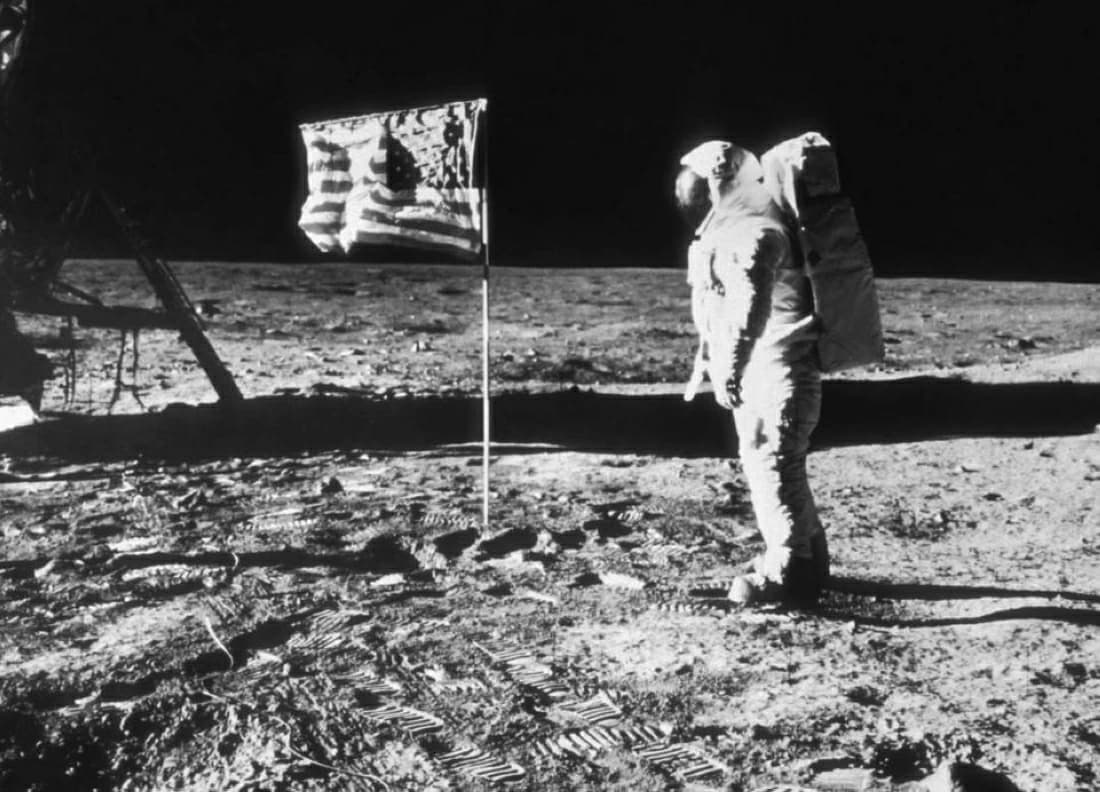
The history of transportation methods has evolved significantly over the ages, from horse-drawn carriages to space stations. In the early twentieth century, wooden wagons pulled by horses were considered a primary means of transport in rural areas, but a rapid shift to automated vehicles began by the 1920s. By 1912, the number of automobiles in New York surpassed that of horses, marking the end of the reliance on equines. The twentieth century also saw major improvements in transportation within cities like London and Berlin, with railway systems transitioning from steam to electric power, helping to improve air quality. Aviation advanced with the first flights of the Wright brothers’ airplane in 1903, the production of Ford Model T cars in 1908, and the opening of the Panama Canal in 1914, which transformed global trade routes. Significant achievements include the Apollo 11 moon landing in 1969 and the establishment of the U.S. Interstate Highway System in 1956. The introduction of the Shinkansen bullet train in Japan in 1964 revolutionized rail travel, while the launch of the International Space Station in 1998 expanded human space exploration. The development did not stop there; innovations such as hybrid cars, global positioning systems (GPS), supersonic aircraft, and the Channel Tunnel emerged, leading us to modern space stations and ongoing research in sustainable and advanced transportation technologies.
تنويه: هذا ملخص تم إنشاؤه بواسطة الذكاء الاصطناعي







comments.heading