




Europe and Asia compete for Gulf arms market
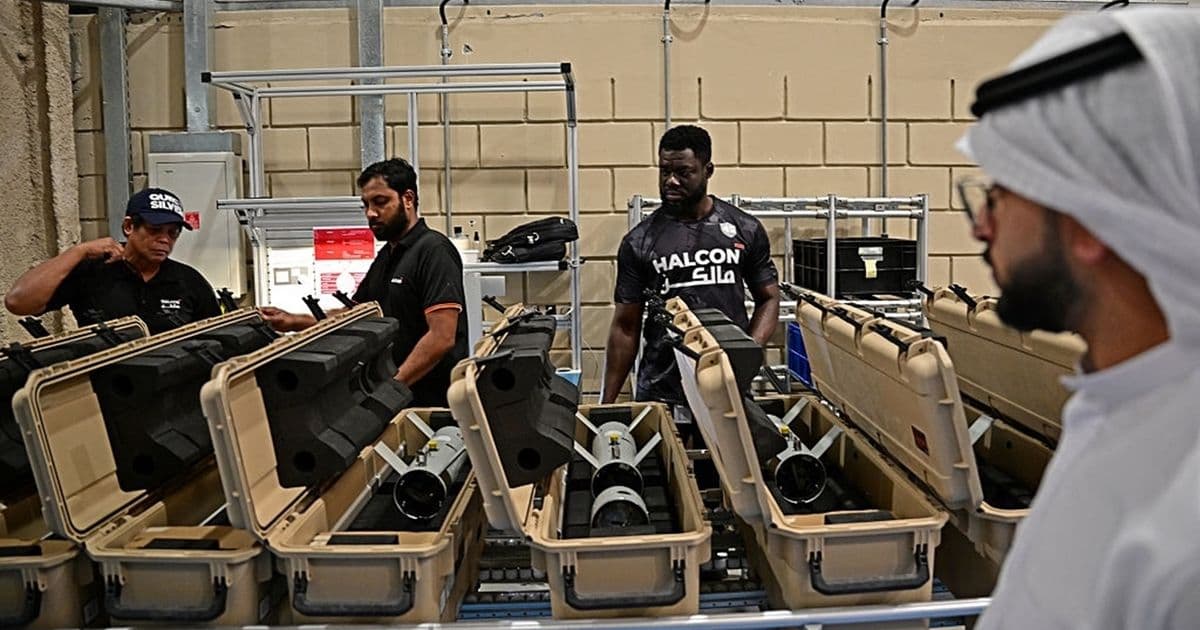
The Gulf countries have experienced a gradual shift in their security and defense strategies, as they have begun diversifying their sources of arms supply away from exclusive reliance on the United States, especially following the diminished ability of U.S. forces to defend the region against Iranian challenges. Between 2020 and 2024, the Gulf Cooperation Council (GCC) states accounted for approximately 20% of global arms imports, with advanced weaponry deals from Europe, South Korea, and Turkey. Notable large-scale defense agreements include Saudi Arabia’s purchase of combat ships from Spain at substantial value, its contracts for air defense systems from South Korea, and cooperation with Turkey on drones, in addition to deals with France to modernize its Air Force and with Turkey for naval systems. Qatar’s arms sources are varied, including Britain, France, and Italy, while Kuwait is seeking to acquire Eurofighter fighters and has contracted Turkey for drones. Bahrain has signed defense agreements with France and Turkey, though the United States remains the largest supplier, providing 97% of its arms. Oman maintains partnerships with Turkey and Britain for the purchase of boats and naval systems. This diversification reflects the Gulf’s strategic move to reduce dependence on the United States and broaden military partnerships to enhance its defensive capabilities in the face of regional challenges.
Notice: This Is an AI-Generated Summary
Comments (0)