





Reasons for initial social aversion
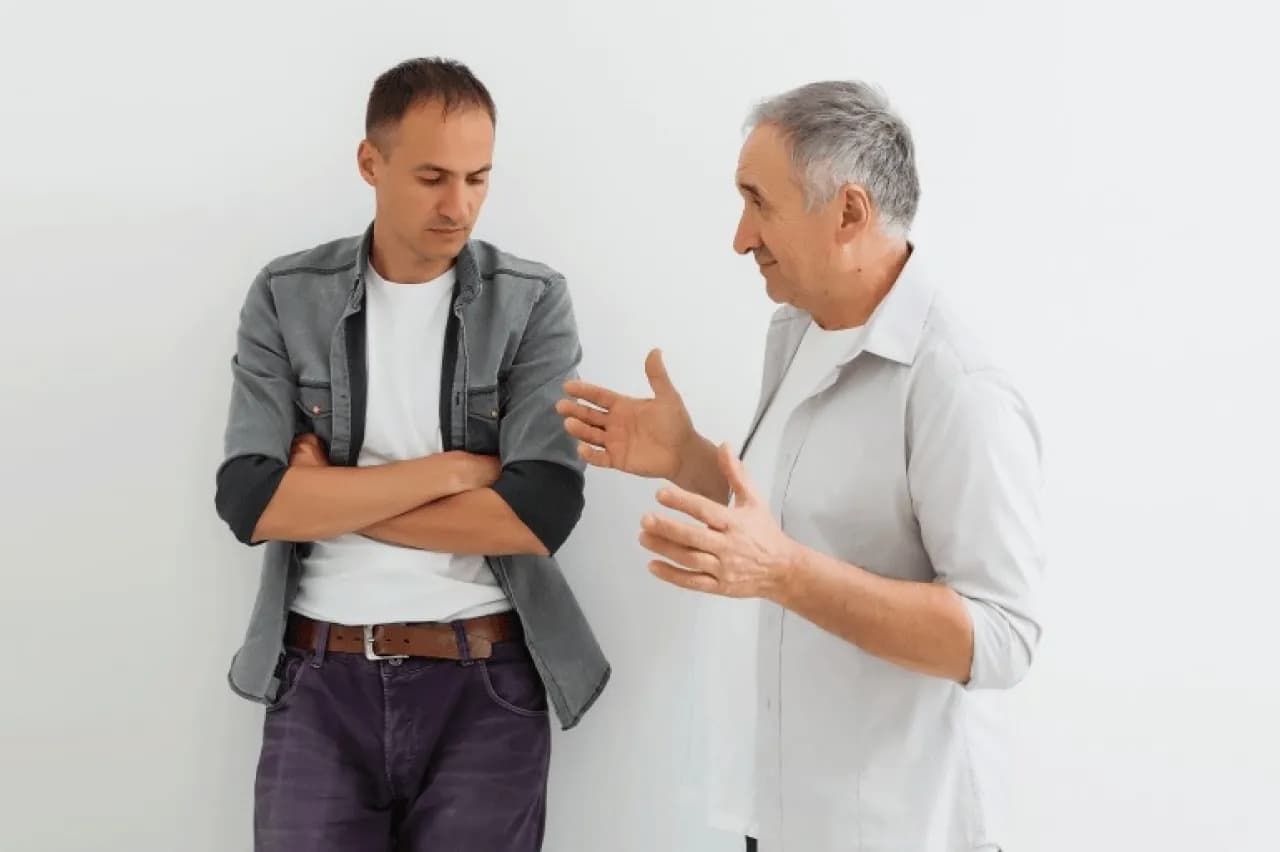
Discomfort or aversion toward people we meet for the first time is often not linked to clear reasons. Instead, it results from a psychological and physiological reaction that reflects our interpretations of their features, voice, or previous impressions. It is explained that similarity in facial features to people we know can lead to preconceived judgments such as lack of trust or dislike, even unconsciously. Additionally, facial expressions, like anger or happiness, can sometimes be misinterpreted based on their appearance or expressions, which enhances feelings of aversion. Moreover, the tone of voice and first impressions influence our evaluation of a person even before we engage in conversation, and these judgments are often inaccurate, rooted in psychological inclinations or past experiences. This creates a mix between emotional feel and sensory interpretation, and impressions can change over time as we interact with the person more deeply. Sometimes, this justifies giving someone a second chance to reveal their true nature.
Notice: This Is an AI-Generated Summary
Comments (0)