


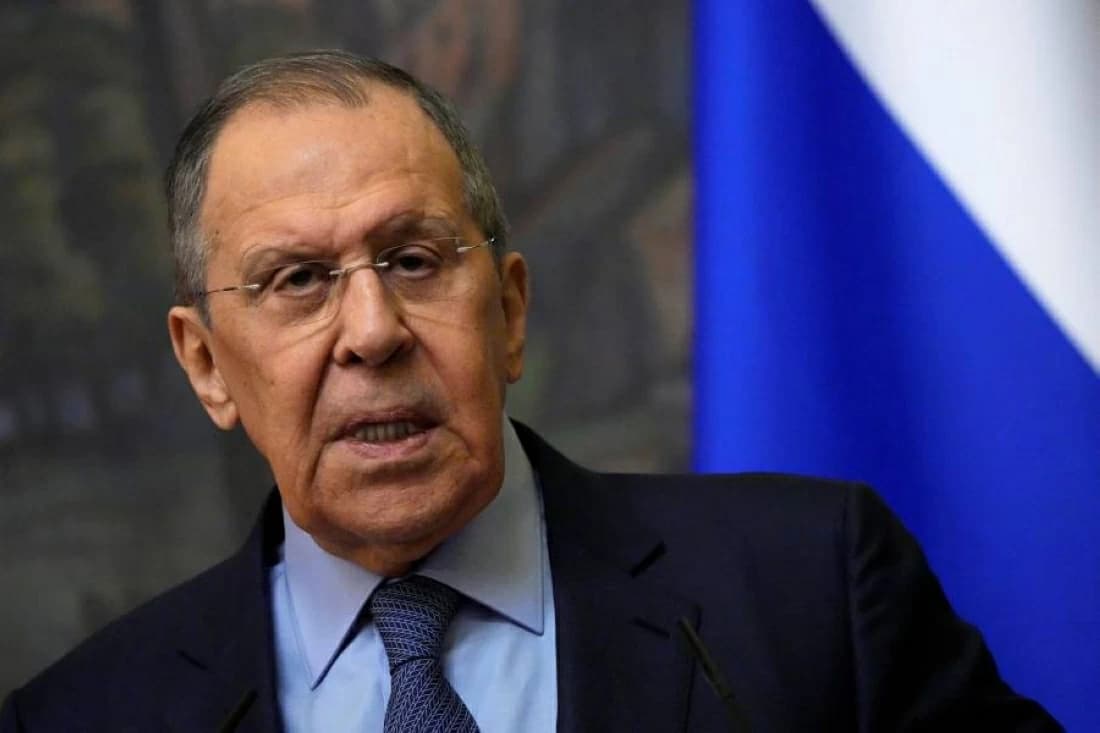




Iran Faces Costs After Year of Trigger Mechanism

The article explains that sanctions imposed on Iran do not completely halt its oil trade, but they do increase operational costs and transform the market into a more complex and risky environment. Iran employs alternative trading networks that include intermediaries, shadow carriers, and unconventional payment channels, which minimize immediate losses but raise the cost per barrel of oil. These costs are compounded by doubled price discounts and additional fees and commissions along the supply chain. Studies indicate that Iranian oil exports continue at nearly similar levels, but revenues decline due to price discounts and extra expenses, with shipping and insurance risks also rising. The sanctions lead to higher costs through what is known as the "evasion tax," as expenses accumulate across the entire supply chain and service network. This situation increases the financial burden on the Iranian economy, while the sanctions do not guarantee a swift change in Iranian policies; instead, they push Iran's trading activities into a more complex and less profitable path.
Notice: This Is an AI-Generated Summary
Comments (0)