1 Day
المصدر:
عربية – DW
عربية – DW
جاهز للتشغيل
جاهز للتشغيل
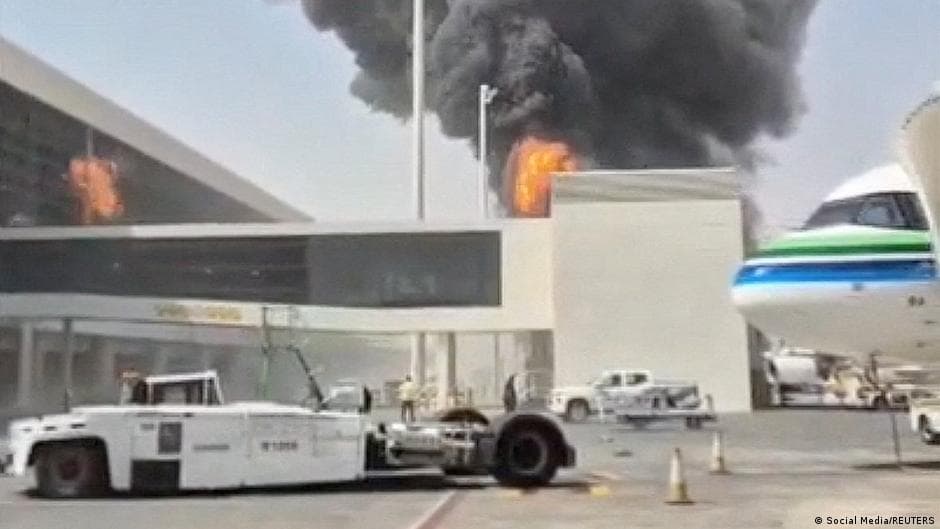
Saudi Arabia's military expenditure in 2025 is more than $83.2 billion, ranking eighth worldwide. However, Houthi attacks on Riyadh Airport and Aramco headquarters demonstrate that this massive budget has not ensured effective protection of vital ports and strategic facilities. Although Saudi Arabia relies heavily on large arms purchases from the United States—accounting for 77% of its imports—and on some domestic military industries, poor coordination, mismanagement of resources, and imbalances within the military structure have led to weakened defenses. The radar and interception systems have been unable to effectively counter missile and ballistic attacks. Analyses indicate that while the budget is substantial, the lack of unified strategies and internal investigations into the reasons behind interception failures reveal that solutions require improving efficiency, developing low-cost defense systems, advancing fundamental knowledge and technologies, and unifying the air defense network. The reality is that dependence on foreign weaponry and the weak protection are more issues of management and coordination than resource scarcity. Therefore, a comprehensive strategy that goes beyond merely high government spending is essential for meaningful improvement.
تنويه: هذا ملخص تم إنشاؤه بواسطة الذكاء الاصطناعي





comments.heading