7 Hrs
المصدر:
الشرق الأوسط
الشرق الأوسط
جاهز للتشغيل
جاهز للتشغيل
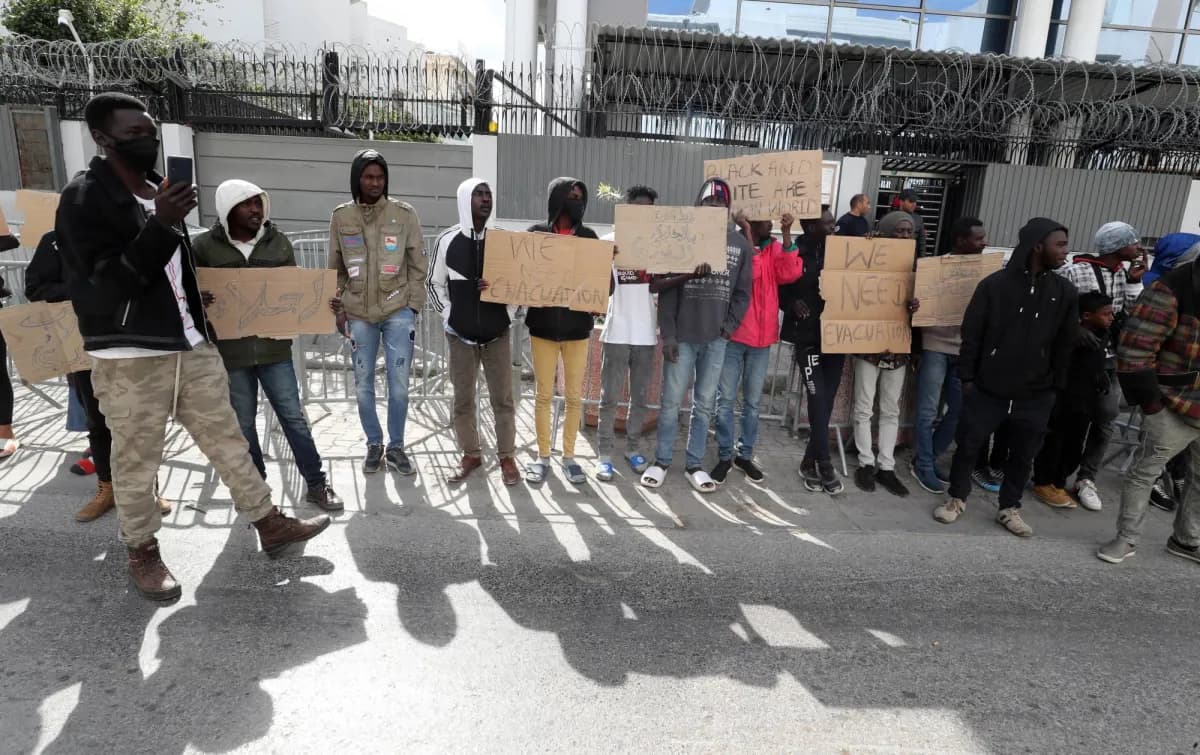
The article discusses the difficult circumstances faced by migrants and refugees from sub-Saharan Africa in Tunisia, especially amid increasing forced returns and government and political pressures following Tunisia's signing of an agreement with the European Union in 2023 to enhance surveillance of crossings into Europe. It points out that Tunisian authorities are coercing many migrants to leave, often through non-voluntary means, with return operations frequently occurring to Libya and the eastern Mediterranean, accompanied by reports of human rights violations such as mass arrests and torture. International human rights organizations, including Human Rights Watch and Amnesty International, have expressed concern over ill-treatment, torture, and racist abuses faced by migrants, amidst uncertainty about their detention conditions and deportation procedures. Tensions are also rising due to the waning support from international organizations, which impacts the rights of these migrants, many of whom now see their efforts to reach Europe or even to stay in Tunisia as increasingly impossible.
تنويه: هذا ملخص تم إنشاؤه بواسطة الذكاء الاصطناعي





comments.heading