


Japan Faces Costs of Yen Decline
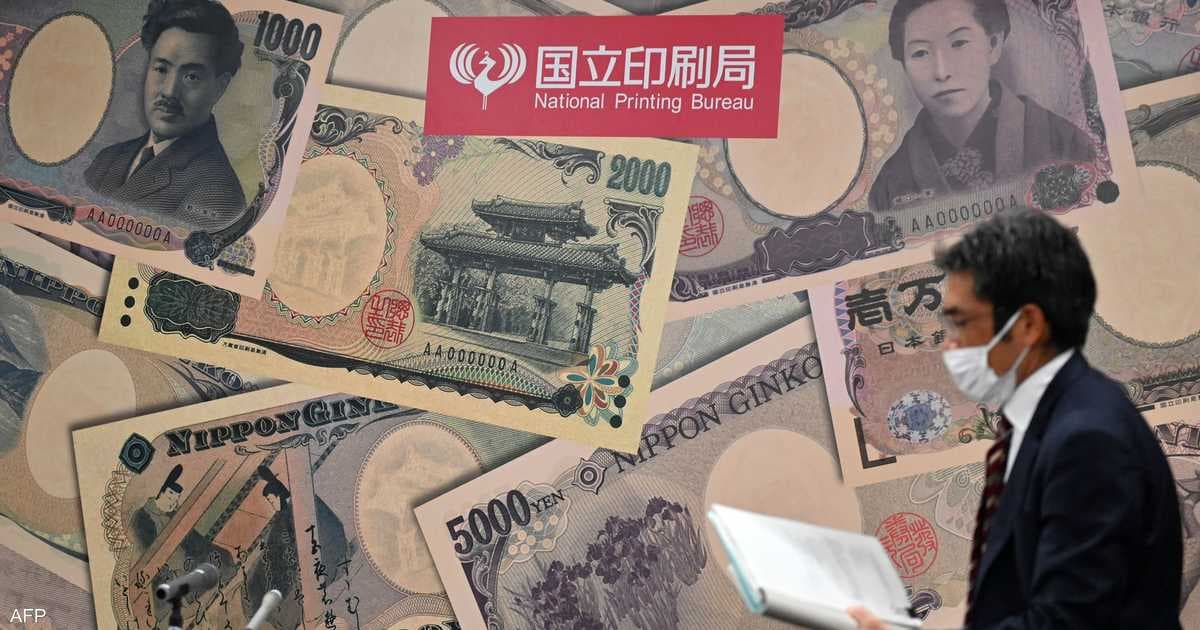
Japan is currently experiencing a historic decline in the value of the yen, which has made the country a more affordable destination for foreign tourists, especially those from the eurozone, after the yen lost one-third of its value against European currency over the past five years. In contrast, increasing domestic living costs—particularly for the Japanese middle class—have become more difficult due to the weak currency, coupled with higher import costs resulting from the yen’s depreciation. About two weeks ago, Japan, in collaboration with the United States, intervened in the foreign exchange market to support the currency; this was the first such intervention in 15 years. However, it was only temporary and did not signify long-term stability. The yen’s decline is attributed to the accommodative monetary policy led by former Prime Minister Shinzo Abe, which aimed to make exports more competitive but at the expense of eroding the purchasing power of the population. Additionally, the significant interest rate gap between Japan and the United States has led to carry trade activities, further increasing pressure on the yen. Japan faces economic challenges including an aging population and public debt exceeding 200% of GDP, which hinder efforts to stimulate the economy. To address these issues, measures such as gradually raising interest rates and implementing reforms to stimulate growth and attract investment are considered necessary by economic institutions to save the yen and achieve greater economic stability.
تنويه: هذا ملخص تم إنشاؤه بواسطة الذكاء الاصطناعي
comments.heading