1 Day
المصدر:
عربية – DW
عربية – DW
جاهز للتشغيل
جاهز للتشغيل
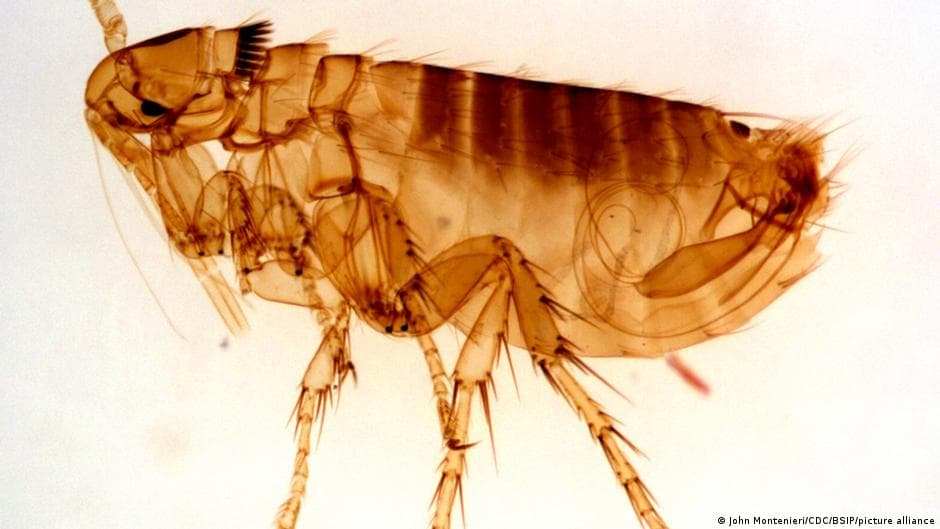
The plague, caused by the bacterium Yersinia pestis, still poses a health threat despite the availability of effective antibiotic treatment. It is typically transmitted by fleas and appears in various forms, including bubonic and pneumonic plague, with the latter capable of direct transmission through respiratory droplets. Recent reports indicate about 3,000 cases worldwide each year. Although it remains a rare disease today, outbreaks can be deadly if not diagnosed and treated promptly. Studies suggest that the plague has existed for over 5,500 years, and its strains have evolved to become more easily transmitted via fleas, which led to the medieval pandemic that killed approximately 25 million people. There is a possibility that such outbreaks could recur in the future if appropriate measures are not taken. Medical professionals and biologists are focused on improving early diagnosis and enhancing monitoring capabilities to prevent future outbreaks.
تنويه: هذا ملخص تم إنشاؤه بواسطة الذكاء الاصطناعي







comments.heading