14 Hrs
تونزي تيليغراف
المصدر:

تونزي تيليغراف

2026-10-06T13:40:33.000Z

الأكثر قراءة

First Division: Marsa's renewed confidence

الشروق التونسيةالشروق التونسيةالشروق التونسية
19 Hrs2026-10-06T08:48:54.000Z
First Division: Marsa's renewed confidence

Ras Al-Jabal hostage incident

الصباحالصباحالصباح
19 Hrs2026-10-06T08:30:23.000Z
Ras Al-Jabal hostage incident

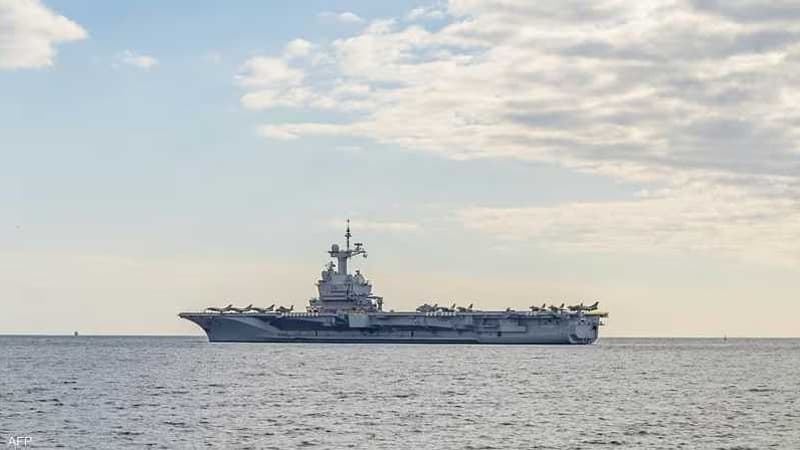
Fire on French aircraft carrier Charles de Gaulle

الشروق التونسيةالشروق التونسيةالشروق التونسية
19 Hrs2026-10-06T08:21:00.000Z
Fire on French aircraft carrier Charles de Gaulle

Today: Thunderstorms with rain locations

الشروق التونسيةالشروق التونسيةالشروق التونسية
21 Hrs2026-10-06T07:04:36.000Z
Today: Thunderstorms with rain locations

Implementation phases of Law No 18 of 2025

الشروق التونسيةالشروق التونسيةالشروق التونسية
21 Hrs2026-10-06T06:43:00.000Z
Implementation phases of Law No 18 of 2025
تونزي تيليغراف

المصدر: تونزي تيليغراف

14 Hrs
Jarayid.com
تابعنا
Jarayid.com

القارئ الذكي

جاهز للتشغيل

القارئ الذكي

جاهز للتشغيل

Tunisie Telegraph: Tunisian Economy and Self-Reliance Puzzle

Tunisie Telegraph: Tunisian Economy and Self-Reliance Puzzle

Tunisia is striving to maintain its financial stability by paying its external debts on time, despite abandoning a new funding program with the International Monetary Fund (IMF) under its previous conditions and adopting a "self-reliance" policy. Although the country is capable of meeting its debt installment payments, figures reveal substantial pressures on public finances and the domestic economy. Financing the country requires enormous financial resources, limited growth rates, rising inflation, and concerns over foreign currency reserves. The external debt is projected to reach approximately 56.5 billion Tunisian dinars by 2026, while foreign currency reserves remain at a level that covers about 92 days of imports, raising concerns about Tunisia’s ability to face future economic shocks. While the economy recorded a 2.3% growth in the second quarter, achieving higher growth is essential to reduce the debt burden and strengthen a sustainable economic model. This presents a challenge amid the need to balance debt repayment, support growth, and contain inflation, which has reached 5.6%. Ultimately, the central question remains: Can Tunisia continue to repay its debts while maintaining its foreign currency reserves and achieving economic growth that improves citizens’ living standards—without the burden of debt repayment becoming an ongoing obstacle to the country’s progress?

articleDetails.fontSize.sizeحجم النص

تنويه: هذا ملخص تم إنشاؤه بواسطة الذكاء الاصطناعي

عرض المقال بالكامل
شارك الخبر

comments.heading

JARAYID.COM

The Tunisia News page on Jarayid.com provides ongoing coverage of major news and developments across Tunisia, from the capital Tunis to Sfax, Sousse, Kairouan, and other regions. Coverage includes politics, economy, business, tourism, sports, society, culture, and local events. We summarize important Tunisian news from trusted sources in a clear and concise format, helping readers quickly follow the key stories, decisions, and developments shaping Tunisia each day.

footer.downloadNow

footer.scanQr

QR code

تابعنا

footer.ourPicks

World News thumbnail
World News

Investor confidence drops in Eurozone

Tech thumbnail
Tech

TikTok introduces AI shopping and quick pay

Sports thumbnail
Sports

Messi's farewell with African influence Argentina hosts lower-tier teams

footer.categories

  • Podcast09
  • America593
  • Europe225
  • Health157
  • Shows74
  • Sports231
  • Tech265
  • World News487
  • Celebrity News135
  • Economy266
  • footer.terms|
  • footer.privacy|
  • footer.about|
  • footer.contact|
  • footer.advertiseWithUs|
  • footer.faq|
  • footer.archive

© 2026 Jarayid.com