






Tunisia's electricity output rises 6% in first half of 2026
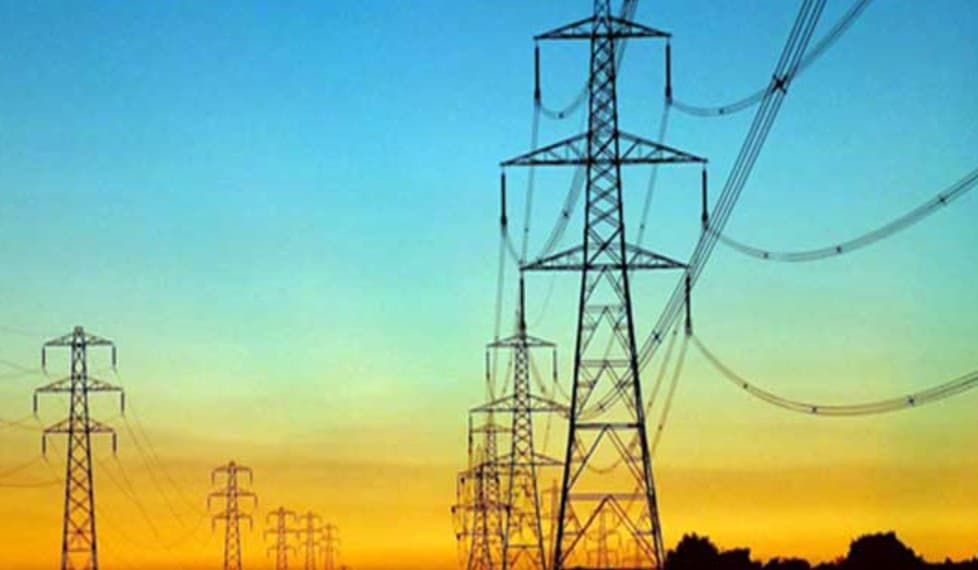
Electricity production in Tunisia increased by 6 percent during the first seven months of 2026, reaching 12,333 gigawatt-hours compared to 11,632 gigawatt-hours in the same period of 2025. Renewable energies, especially solar power and wind energy, contributed 9 percent to the overall production mix, representing a 61 percent growth driven by the expansion of independent power projects and solar energy for self-consumption. Despite this progress, natural gas remains the primary energy source, accounting for 90.8 percent of production, while improved energy efficiency led to a 3 percent decrease in fuel consumption. This was reflected in a surge in electricity demand, which peaked at 4,924 megawatts in July, accompanied by a 2 percent reduction in imports and a 1 percent increase in sales, with the industrial sector accounting for 58 percent of sales. Oil production declined by 11 percent to 780,000 tons, and natural gas production decreased by 14 percent to 840,000 tons, resulting in an 8 percent rise in energy deficit and a drop in the independence rate from 46 percent to 42 percent.
تنويه: هذا ملخص تم إنشاؤه بواسطة الذكاء الاصطناعي
comments.heading