7 Hrs
المصدر:
تونزي تيليغراف
تونزي تيليغراف
جاهز للتشغيل
جاهز للتشغيل
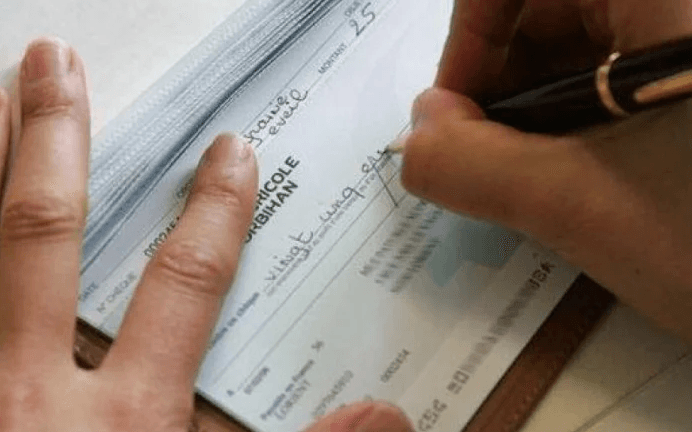
More than a year after the implementation of the check law in Tunisia, Deputy Fatma Al-Masdi called for a comprehensive and realistic assessment of its results and impact on trade, small businesses, financing, and liquidity. She emphasized that judgments should be based on actual outcomes rather than intentions. She explained that the law aimed to address real crises such as checks without funds and incarceration issues, but its application has had a negative effect on the economic cycle, especially since checks are a vital means of payment and daily commercial transactions. She posed questions about the extent to which promissory notes could serve as an alternative to checks and the law’s impact on financing and traders, urging reliance on data to evaluate its effects. She concluded by stating that the law should be revisited if its implementation reveals flaws, emphasizing that the goal is to serve the economy and citizens, not just to protect the legal text.
تنويه: هذا ملخص تم إنشاؤه بواسطة الذكاء الاصطناعي








comments.heading