1 Day
المصدر:
لبنان ٢٤
لبنان ٢٤
جاهز للتشغيل
جاهز للتشغيل
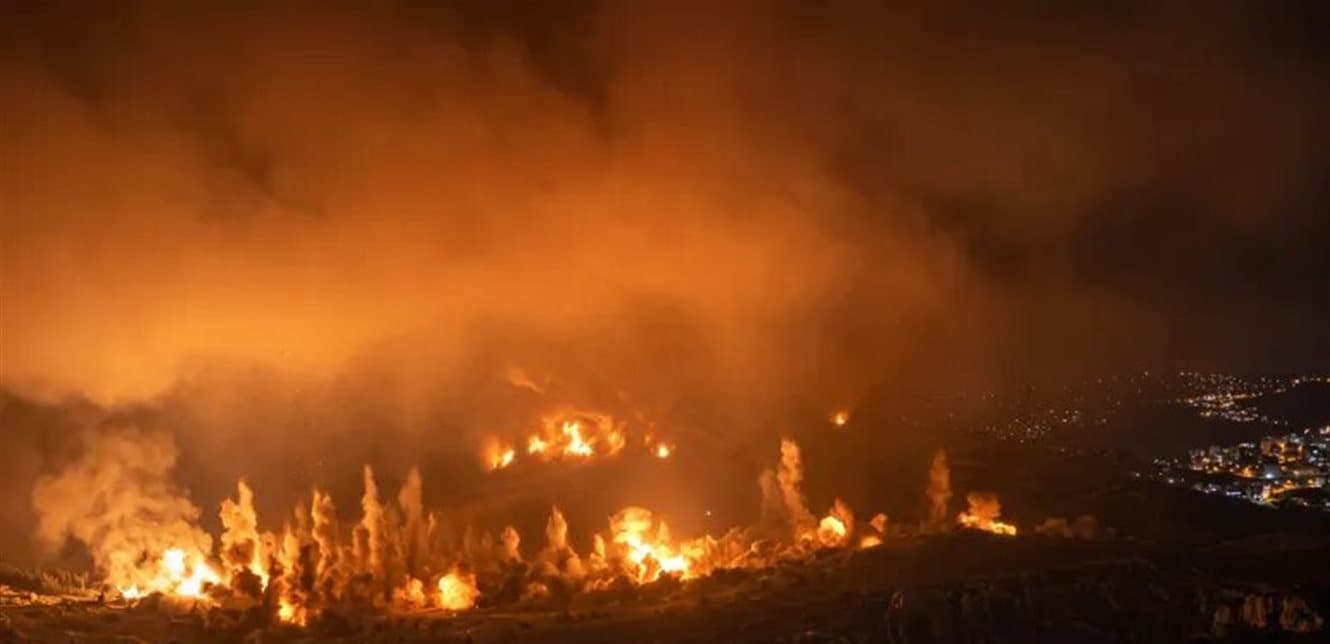
Israeli movements in southern Lebanon, following the destruction of Hezbollah tunnels on Talat Ali Al-Tahir, indicate that Israel's goal is no longer merely to control the Litani River to secure the northern settlements. Instead, it aims to disarm Hezbollah throughout the Lebanese territory, from the strategic hills in the south to the Western and Northern Beqaa Valleys. Israeli forces control the area aerially and through artillery, conducting daily strikes to disable Hezbollah's ability to return to its positions. The focus is on capturing new towns and hills to increase pressure on Lebanon and tighten control of Lebanese airspace. There is also a possibility of expanding operations deeper into the southern region. Iran’s silence regarding the fall of Talat Ali Al-Tahir is seen as a sign of tacit approval for Israel’s expansion. Meanwhile, Hezbollah faces internal pressure from calls to disarm, threatening a repeat of the Al-Tahir scenario and tense ground developments without igniting a full-scale war—particularly amid increasing international pressure and ongoing international efforts to support the Lebanese Army and prevent a comprehensive escalation.
تنويه: هذا ملخص تم إنشاؤه بواسطة الذكاء الاصطناعي









comments.heading