






Bishir al-Jamil on the Kaiser Case
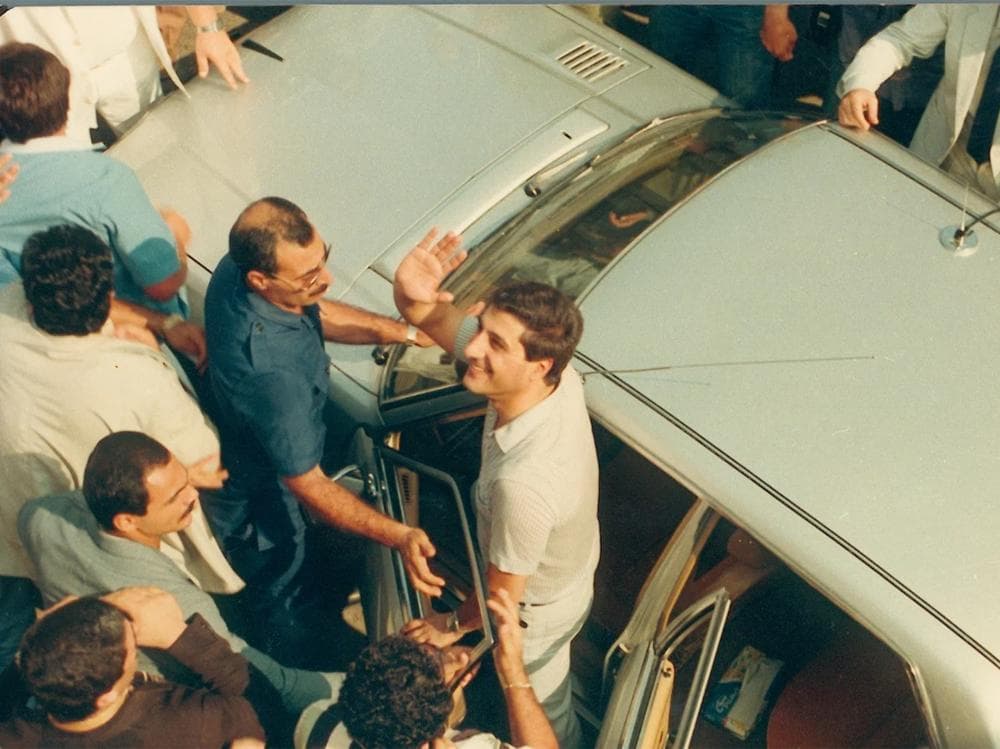
The article discusses Bashir Gemayel as a key figure and main driver in modern Lebanese history, comparing him to Caesar in Rome. It highlights how he unified and politicized Christian forces during a period of divisions and intense conflicts in Lebanon in 1982. The article examines how Bashir led efforts to establish a unified Christian front in opposition to various forces, most notably the Palestine Liberation Organization, Islamic militias, regional alliances, and internal factions. He faced these challenges with determination and resilience, becoming a symbolic leadership figure despite his assassination three weeks after his election. The article suggests that his success in achieving temporary cross-sectional political cohesion was short-lived, and his absence led to a decline in Christian control—similar to what happened after Caesar's assassination—where governing systems continued to rule centrally but gradually lost their cohesion. It emphasizes that the absence of a decisive leadership figure like Bashir or Caesar creates a vacuum that is difficult to fill, and that building a solid political framework capable of lasting beyond any leader is essential for maintaining the stability and distinctiveness of the national project.
تنويه: هذا ملخص تم إنشاؤه بواسطة الذكاء الاصطناعي
comments.heading