




%2Ffile%2Fattachments%2F2395%2F7f6e32f9-08f5-4e12-80fb-5a8a483def1a_970655.jpeg&w=3840&q=75)

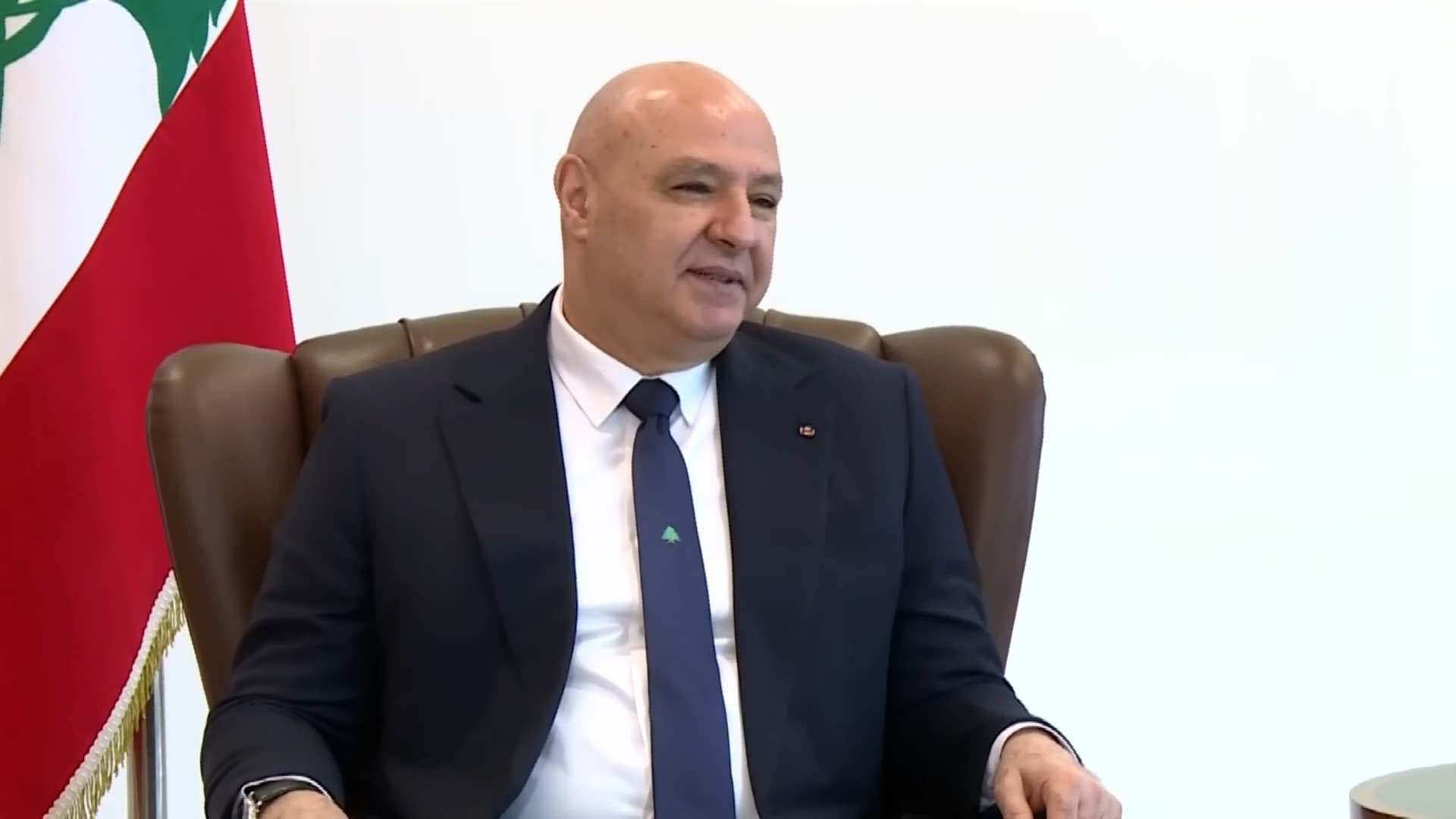
Nasser Al-Din: Universal healthcare achievable
%2Ffile%2Fattachments%2F2395%2F91e85f997d7540ae3962e2d09b2d6fa0_241792.jpeg&w=3840&q=75)
Public Health Minister Rakan Nassereldine spoke about the Ministry of Health's plans to enhance the quality of healthcare services and expand hospital and pharmaceutical coverage in Lebanon. He emphasized that hospitalization and medication remain priorities despite limited resources. He pointed to a project to finance comprehensive healthcare coverage through taxes on harmful goods, which is expected to generate around one billion dollars annually to cover the uninsured. Additionally, it was announced that spending on hospital services will increase from 38 million dollars in 2024 to more than 150 million dollars this year, with projections to exceed 250 million dollars in next year’s budget. Nassereldine reaffirmed the goal of expanding coverage to include kidney and bone marrow transplants, with potential additions like cochlear implants and scoliosis correction, focusing on the most needed cases. Regarding violations, unlawful practices have been documented, and decisions to freeze work licenses for some doctors and hospitals are under review to ensure ethical standards. Hospitals have also been updated and equipped with modern devices; the number of beds at Rafiq Hariri Hospital has been increased from 80 to around 300. Hospitals in Halba, Babbda, and Baalbek have begun generating profits. Concerning medication, it was announced that treatment protocols have been expanded, and coverage has been increased by over 400%, thanks to savings from tenders. Efforts are also underway to enhance transparency, regulate prices and quality, and review the quality of certain questionable medicines. Medication spending has risen from 32 million dollars to approximately 120 million dollars. On the political front, Nassereldine affirmed that the concept of resistance cannot be abolished. He pointed out that the south does not feel safe, emphasizing that the Lebanese people will remain in their land, citing the history of Jabal Amel.
تنويه: هذا ملخص تم إنشاؤه بواسطة الذكاء الاصطناعي
comments.heading