








U.S. to phase out petroleum-based food dyes
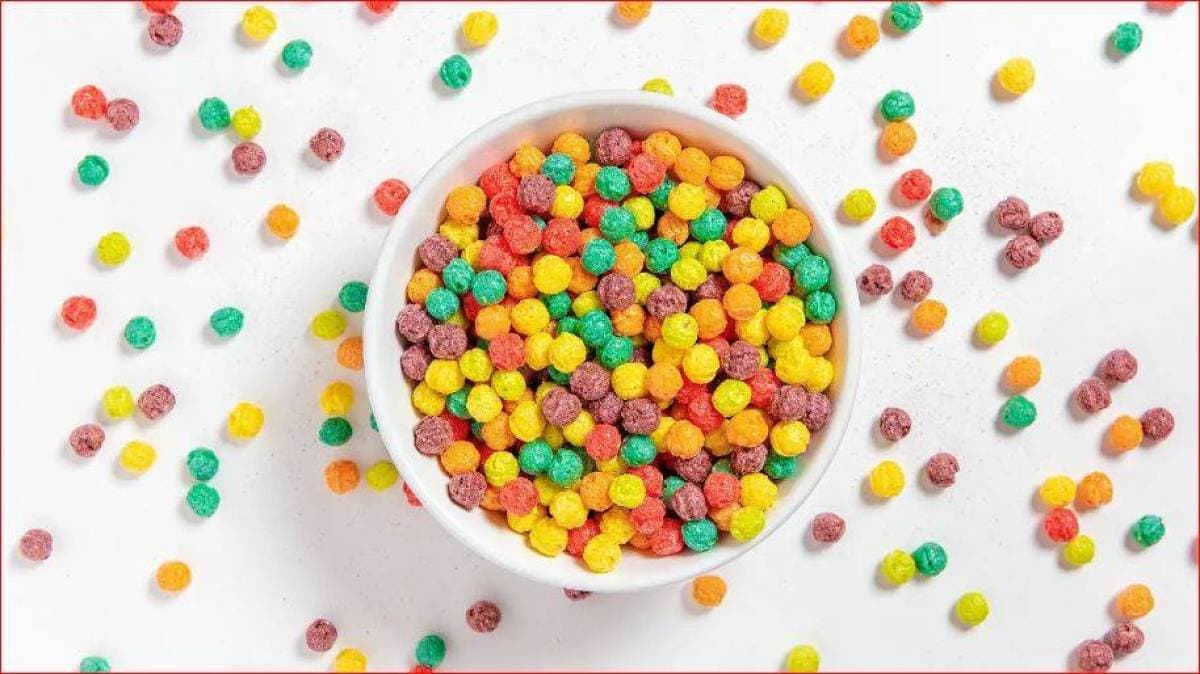
The U.S. Food and Drug Administration (FDA) is moving towards gradually phasing out artificial food dyes derived from petroleum, which are widely used in food products, especially those aimed at children. The plans include already removing certain types and encouraging the use of natural alternatives such as beet extract, algae, and pea flower. Health concerns primarily focus on the potential effects these dyes may have on children's behavior, with some studies suggesting that certain colorings could increase hyperactivity in children. However, scientific evidence regarding their harmfulness—particularly concerning cancer and inflammation—remains inconclusive and is subject to debate, largely because many findings are based on animal studies. Regulatory policies vary by country: the European Union imposes warnings and restricts some dyes for children, while the UK bans the use of certain colorings altogether. In contrast, the American food industry opposes significant restrictions, citing reasons such as lower costs and more stable colors.
تنويه: هذا ملخص تم إنشاؤه بواسطة الذكاء الاصطناعي
comments.heading