2 Hrs
المصدر:
الكتائب اللبنانية
الكتائب اللبنانية
جاهز للتشغيل
جاهز للتشغيل
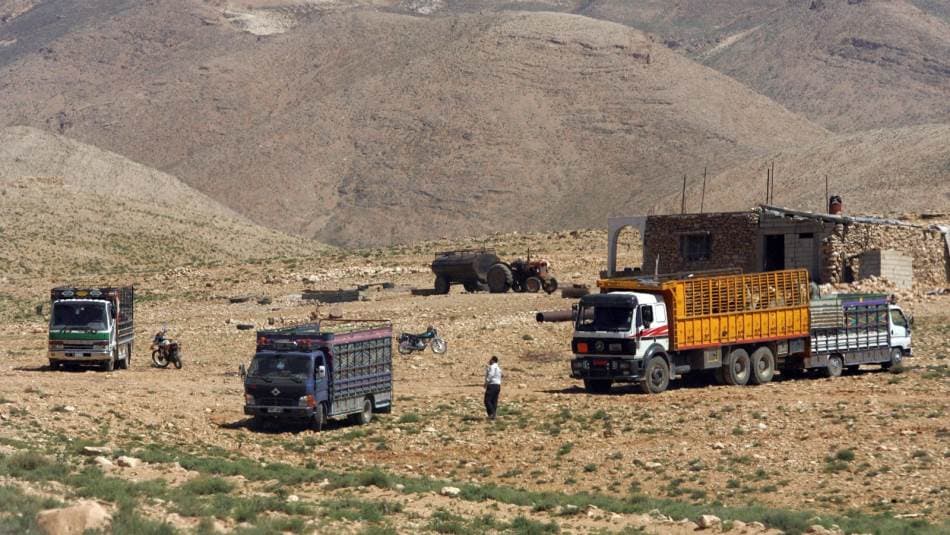
The article describes how the Syrian-Lebanese border has, over the decades, formed an extensive smuggling network intertwined with economic, security, and political interests, affecting the lives of thousands of families on both sides of the border. Control over the border has been nearly impossible due to the rugged geography, the overlapping of villages, and social relationships that transcend official boundaries. Smuggling began in the 1950s, involving weapons, fuel, and goods, and intensified during the Lebanese Civil War, expanding further with the entry of Syrian forces into Lebanon. With the outbreak of the Syrian war in 2011, the border transformed into a passageway for people fleeing military service, seeking security, or applying for asylum—giving rise to human smuggling networks, especially after the economic collapse in both countries. The drug trade also grew significantly during this period. After the fall of the Assad regime in 2024, these networks persisted, reconfiguring their connections. Authorities launched initiatives to reorganize the border crossing, including establishing a modern observation center within Lebanese territory to combat smuggling. However, the complex geography and the parallel economy make it difficult to eradicate the smuggling of goods and commodities entirely, as many residents rely on this illegal economy as a main livelihood source. This reflects the depth and intricacy of the problem, which cannot be simply solved through infrastructure improvements or official border crossings alone.
تنويه: هذا ملخص تم إنشاؤه بواسطة الذكاء الاصطناعي






comments.heading