18 Hrs
المصدر:
الاقتصادية
الاقتصادية
جاهز للتشغيل
جاهز للتشغيل
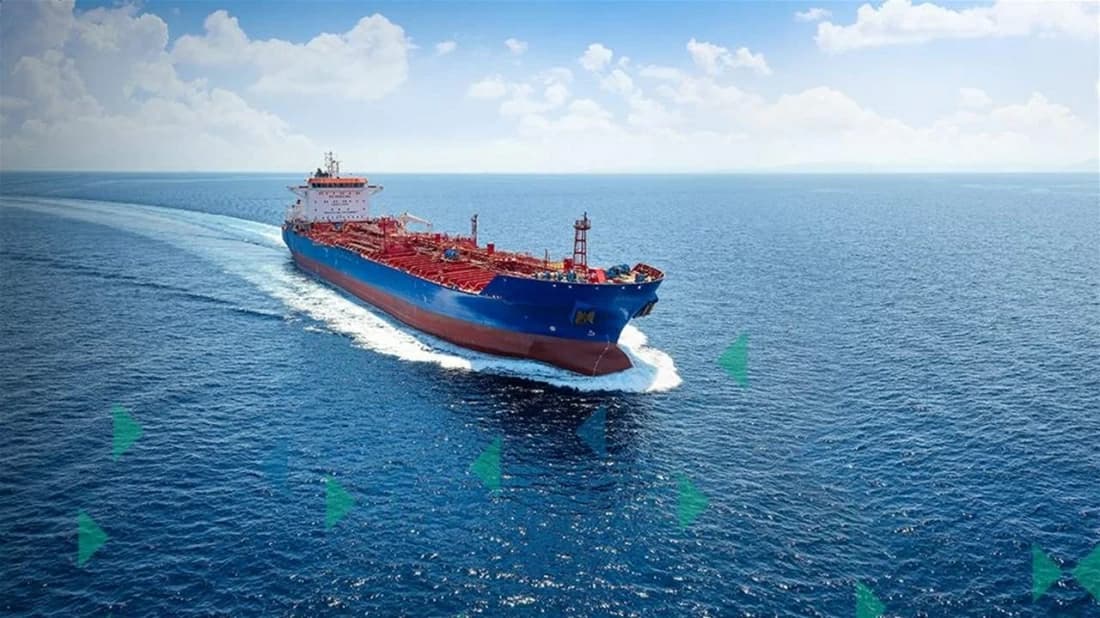
The article discusses the return of oil flows through the Strait of Hormuz and their correlation with rising oil prices, which have exceeded $100 per barrel. Although the flows have stabilized at around 16 million barrels per day—after a decline since the start of the conflict in the region—it points out that the price increases are primarily due to ongoing geopolitical risks, stalled negotiations between the United States and Iran, and the expansion of the conflict into other parts of the Middle East. These risks could add approximately $30 to the price of a barrel. The article also highlights that high transportation and insurance costs are limiting companies' ability to ship oil safely, thus maintaining market pressures despite the recovery in flow volumes. During the crisis, the market lost about 2.5 billion barrels of supply, and the persistent lack of production recovery and failure to restore previous levels remain a significant pressure. There is an increasing risk that prices could double if the crisis continues without resolution, especially since current inventories are no longer sufficient to shield the market from future disruptions. Additionally, the article emphasizes that the crisis is not limited to crude oil but has also led to shortages in refining capacities and petroleum product availability. The challenge of securing product supplies, especially in Europe, continues due to Russian export restrictions and reduced flows through the Strait of Hormuz. It is expected that oil prices will continue to rise in the last quarter of the year, driven by escalating geopolitical risks and a lack of clear signs of de-escalation.
تنويه: هذا ملخص تم إنشاؤه بواسطة الذكاء الاصطناعي





comments.heading