1 Day
المصدر:
اقتصاد سكاي نيوز عربية
اقتصاد سكاي نيوز عربية
جاهز للتشغيل
جاهز للتشغيل
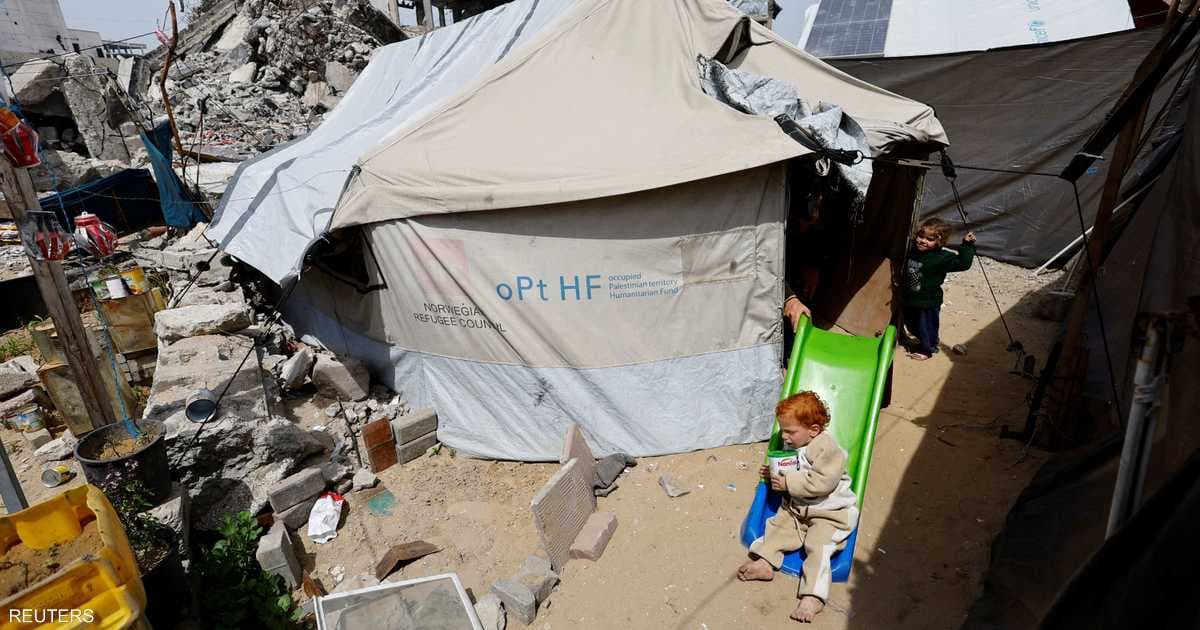
The October 7, 2023 attack on the Middle East dramatically altered the region’s economic landscape, causing a severe shock in Gaza and other areas. Sectors such as tourism, trade, energy, and transportation were heavily impacted. Estimates indicate that the cost of rebuilding Gaza approaches $71.4 billion over ten years, with more than 371,000 homes destroyed and significant declines in gross domestic product (GDP), with Gaza’s economy contracting by 83% in 2024 before recovering partially by 34.2% in 2025. Israel demonstrated resilience, with GDP expected to grow by 3.5% in 2026, although its economy remains about 9% below pre-war levels due to increased military spending and debt. Lebanon suffered approximately $14 billion in direct damages in 2024 alone, with the economy worsening further due to ongoing clashes, and a forecasted contraction of 6.4% in 2026. Egypt experienced a partial recovery in the Suez Canal’s shipping traffic after declines caused by the conflict, with revenues increasing by 23% in 2025/2026. Jordan faced a 4.4% drop in tourism in 2024, followed by a gradual recovery with a growth of 2.9% projected for 2026, impacted by the escalating severity of the crisis. Furthermore, estimates show that the war has fundamentally altered risk assessment standards in the region. Geopolitical risks have become a core element in investment decisions, adding extra costs to regional economies. Indirect economic damages—such as halted investment projects and delayed initiatives—continue to affect future growth. There is a pressing need to develop more diverse and resilient economies capable of withstanding shocks, focusing on building economic immunity and reducing dependence on vulnerable sectors like tourism and energy, while investing in technology and sustainable energy.
تنويه: هذا ملخص تم إنشاؤه بواسطة الذكاء الاصطناعي





comments.heading