1 Day
المصدر:
اقتصاد سكاي نيوز عربية
اقتصاد سكاي نيوز عربية
جاهز للتشغيل
جاهز للتشغيل
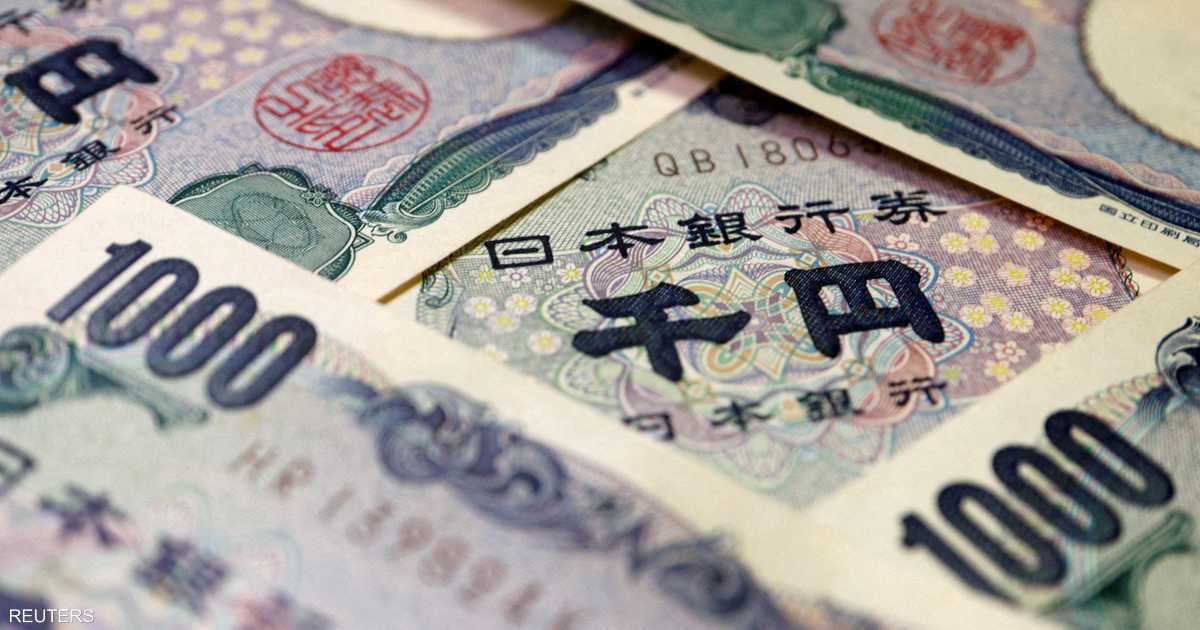
Reports indicate that Japan and the United States carried out a joint intervention for the first time in 15 years to support the Japanese yen, after its decline to its lowest level against the dollar since 1986. Japan purchased yen in coordination with Washington to counter sharp market fluctuations. This move came after the dollar reached approximately 164 yen, nearing the weakest levels of the yen in four decades, before rebounding to around 155.20 against the dollar. The intervention aims to reduce the yen's decline by buying the currency and selling foreign currencies to increase its demand, while ongoing market monitoring and coordination between the two countries continue. The Japanese government confirmed that such intervention can be repeated if volatility persists. This comes amidst fears of the yen's continued weakness and its impact on the economy, especially given factors such as interest rate differentials, rising energy costs, and government decisions to reduce taxes, which raise concerns about increased public spending and inflation. This is the first intervention of its kind since 2011 and seeks to strengthen the yen after years of pressure caused by monetary and fiscal policies favoring low interest rates.
تنويه: هذا ملخص تم إنشاؤه بواسطة الذكاء الاصطناعي







comments.heading