1 Day
المصدر:
اقتصاد سكاي نيوز عربية
اقتصاد سكاي نيوز عربية
جاهز للتشغيل
جاهز للتشغيل
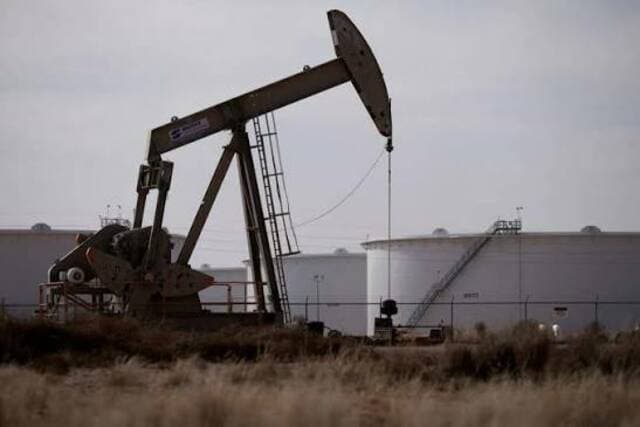
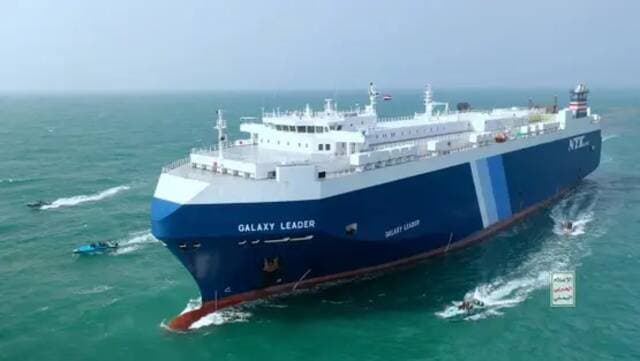
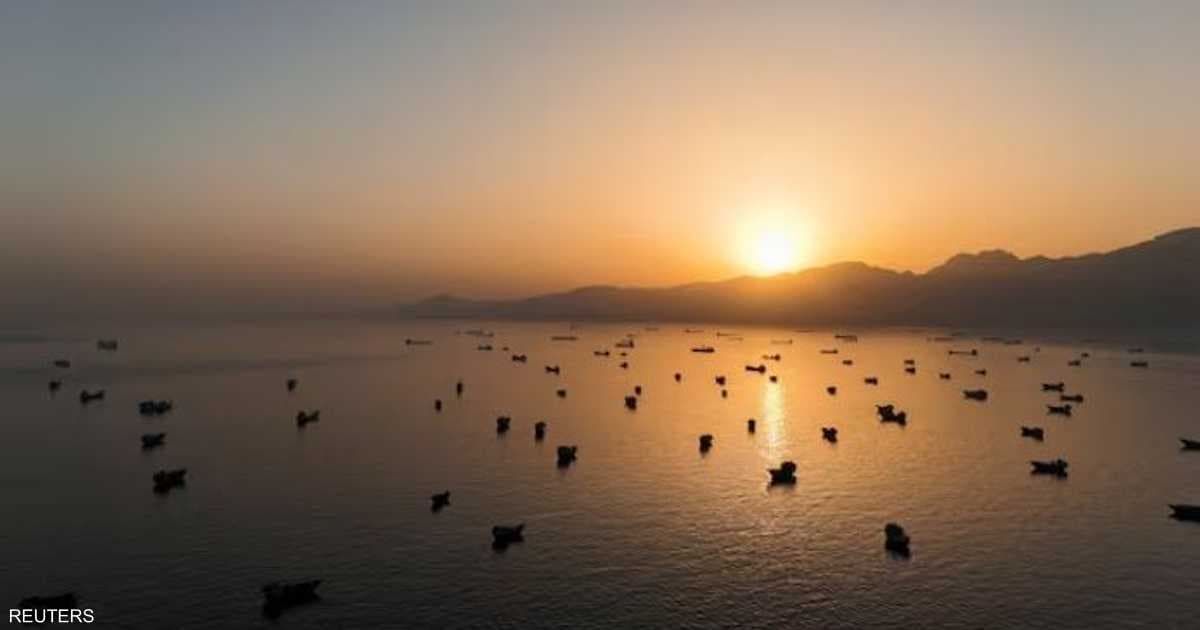
The American-Israeli escalation against Iran in February 2026 triggered an economic earthquake in the Gulf region, as clashes led to a nearly 90% decline in shipping traffic through the Strait of Hormuz. The direct impacts on energy infrastructure resulted in losses of $58 billion, with ongoing tensions driving up oil and gas prices. These repercussions placed immense pressure on the economies of the Gulf Cooperation Council countries, which heavily depend on oil revenues, with varying levels of resilience based on their reserves and economic diversification efforts. The region faces risks of recession or economic slowdown, with forecasts predicting a 0.5% contraction in the Middle East’s economy in 2026. According to the IMF, the crisis underscores the importance of economic diversification and building resilience to withstand future shocks resulting from the escalation of the conflict in the Strait of Hormuz.
تنويه: هذا ملخص تم إنشاؤه بواسطة الذكاء الاصطناعي





comments.heading